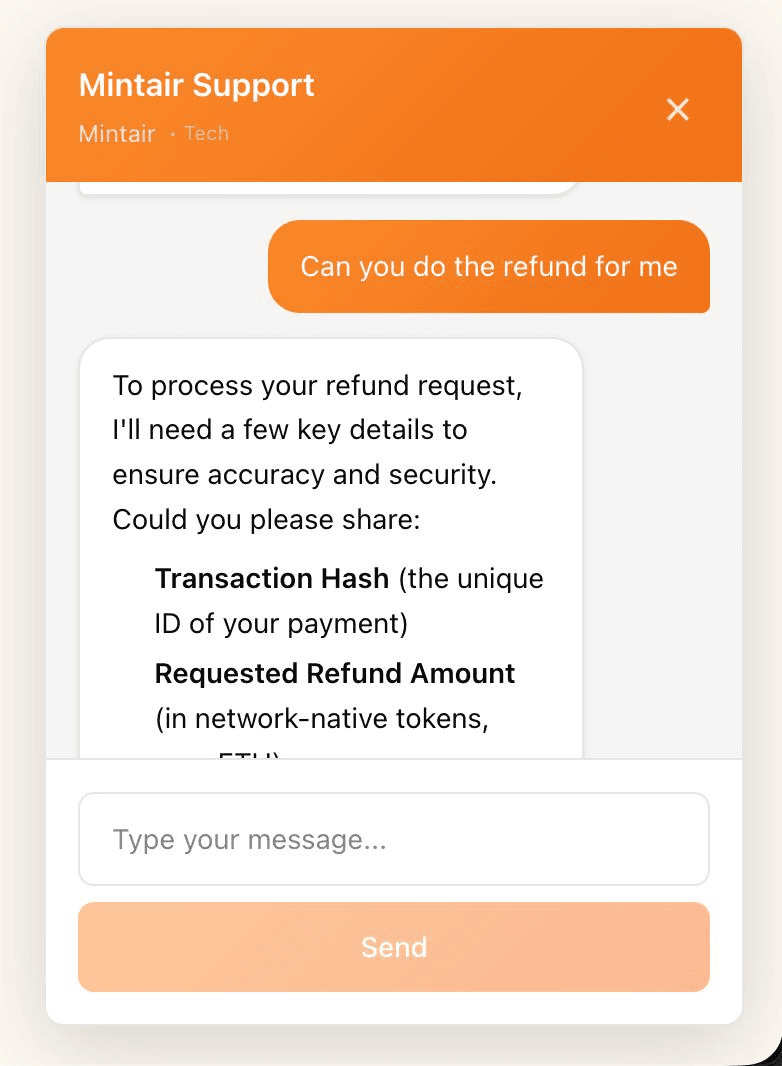

Crypto organizations have a real mismatch problem: the support tools built for Web2 don't understand transaction failures, wallet states, or protocol interactions. Flux is a Web3-native, AI-powered customer support platform that lets any crypto project deploy intelligent support agents with on-chain awareness. These agents can read block explorers, diagnose failed transactions, and execute pre-authorized on-chain actions, all while maintaining verifiable, immutable chat logs.
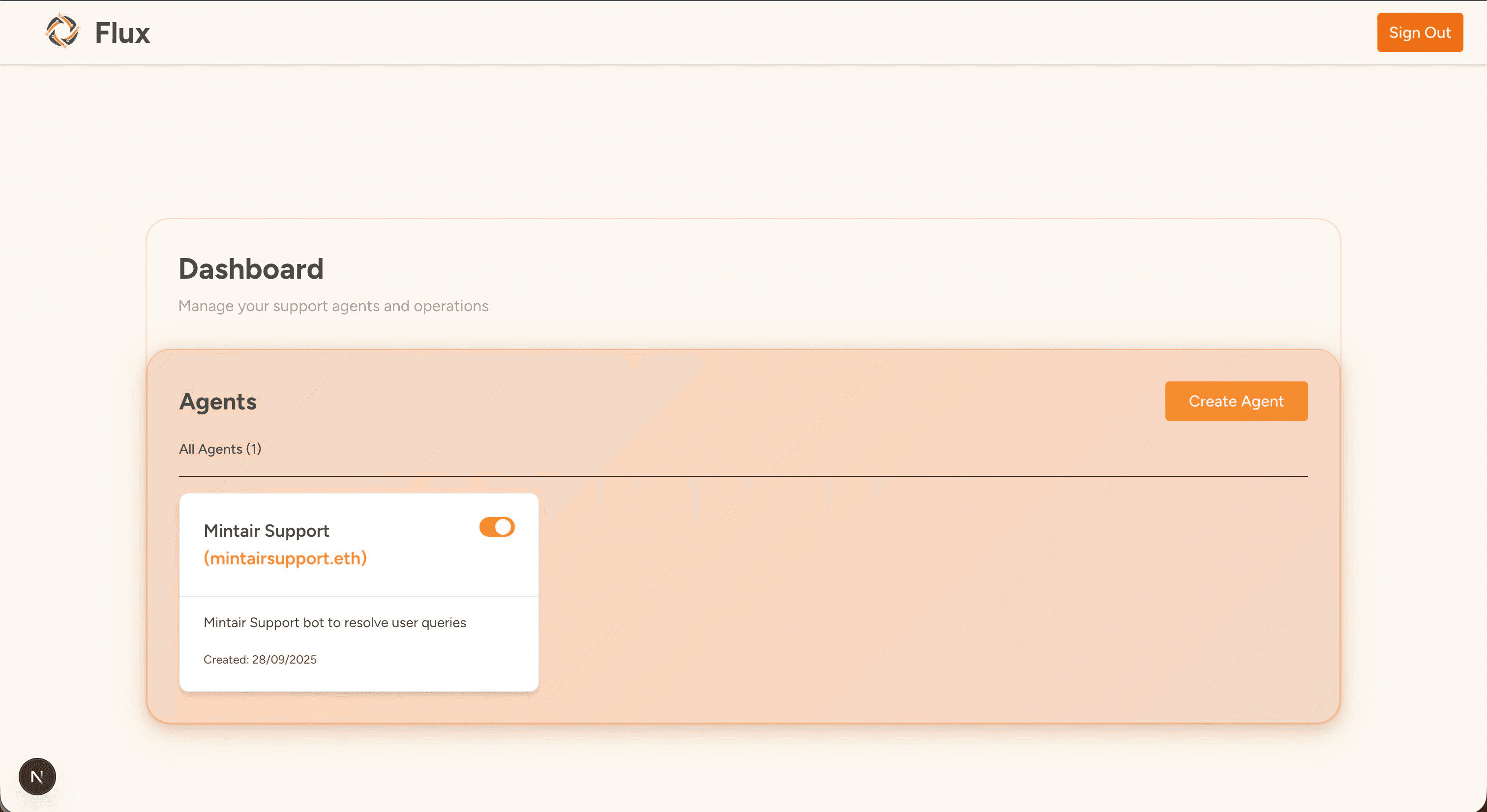
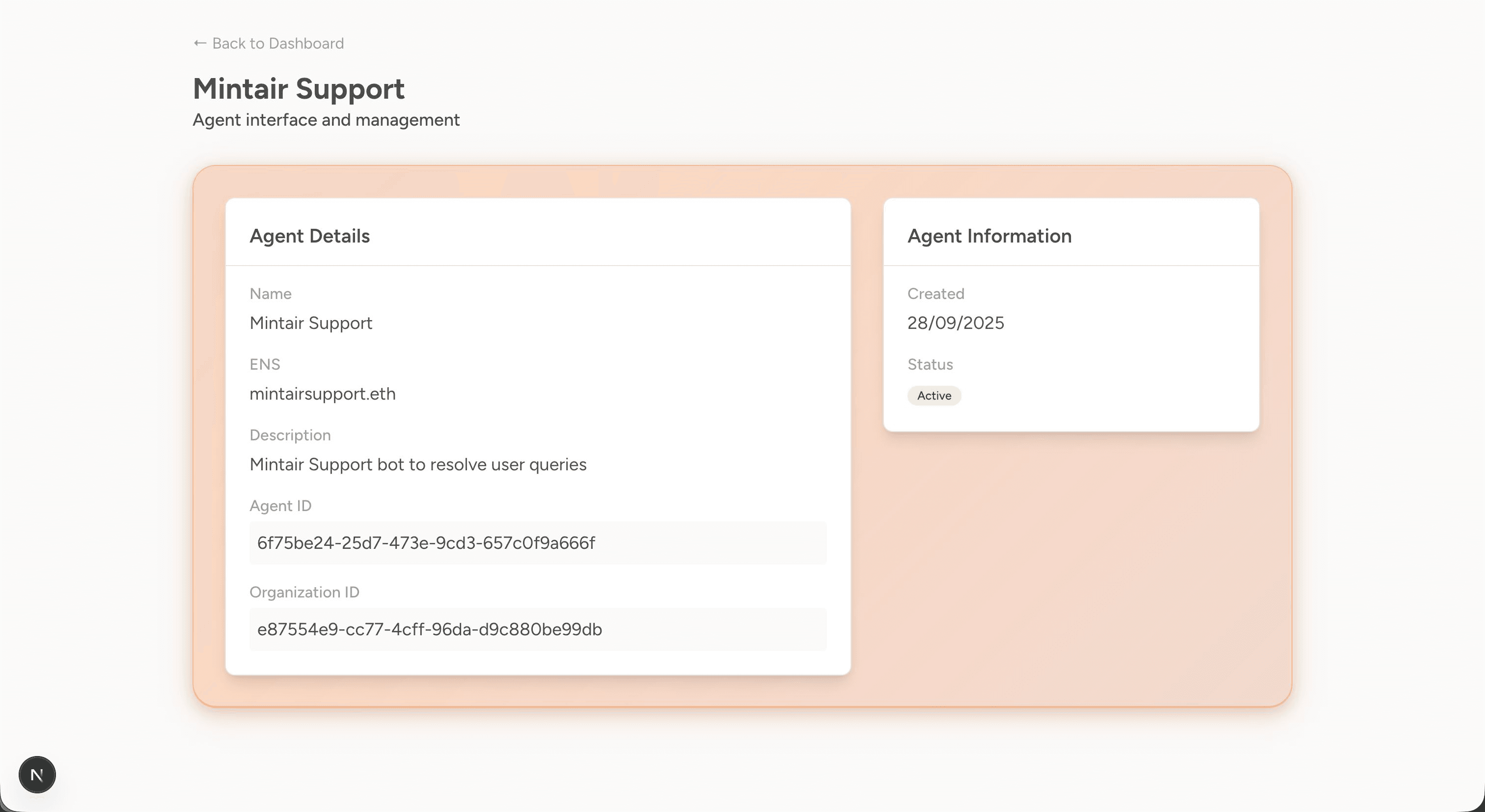
The architecture splits into three services: a Python 3.12 agents service powered by the ASI (Artificial Superintelligence Alliance) uAgent framework, a Node.js/TypeScript API service handling business logic and data persistence, and a Next.js/Tailwind CSS frontend serving both the admin dashboard and the embeddable customer widget. Organizations onboard their knowledge base via PDF and URL indexing, grant agents read-only blockchain API access, and configure budget-capped on-chain action authorizations. ENS provides verifiable agent identity, and Fluence Virtual Servers supply decentralized compute so the support infrastructure itself is never a centralized point of failure.
I designed and built the full stack end-to-end: from the agent orchestration pipeline that routes user queries through on-chain data lookups to the admin dashboard for knowledge base management and agent deployment. The hardest challenge was coordinating the uAgent framework with live blockchain data fetching at query time. The agent needed to dynamically pull relevant on-chain context (token balances, transaction status, contract state) and synthesize it with indexed documentation to produce accurate responses, without hallucinating protocol-specific details.
Flux was built at ETHGlobal New Delhi 2025, where it won the Best Use of Fluence Virtual Servers track prize.